


We’re working toward more sustainable solutions for the next generation.
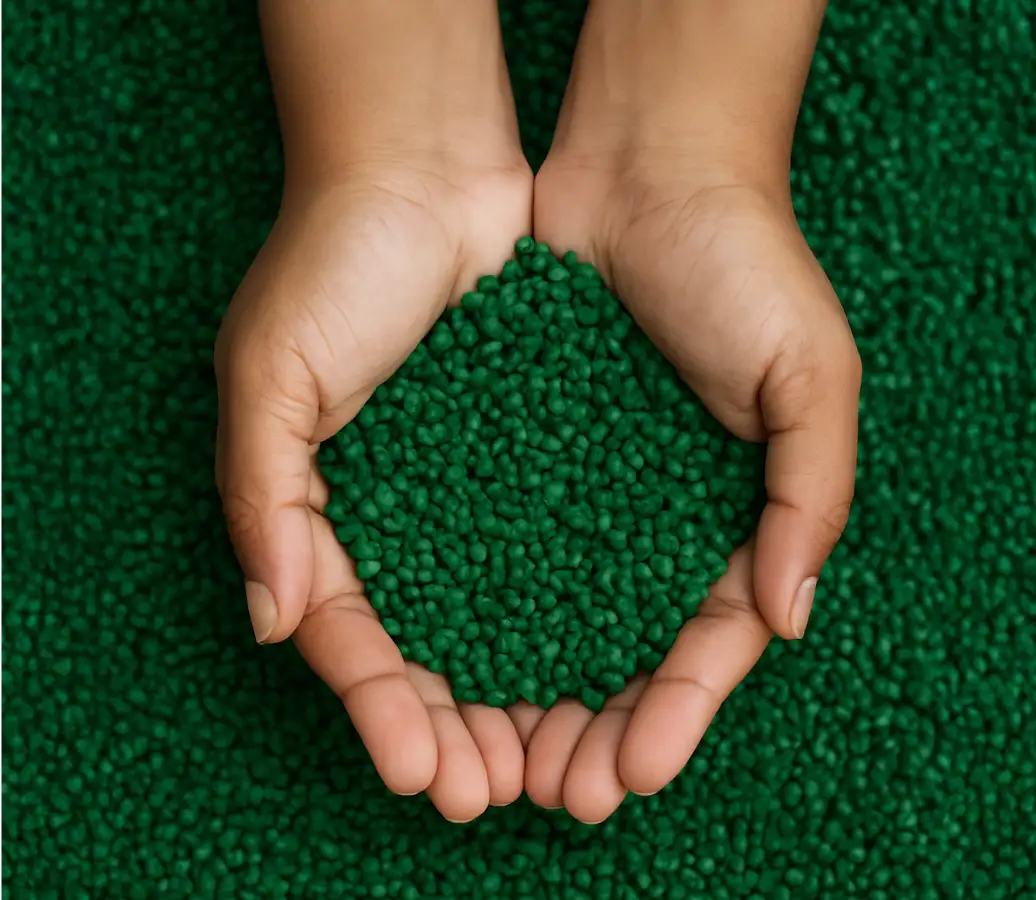
NextGen
Materials
Advancing our trademark True Needle® technology, we’re developing materials from recycled content and plant-based polyethylene with Balsam Hill’s signature quality and realism.
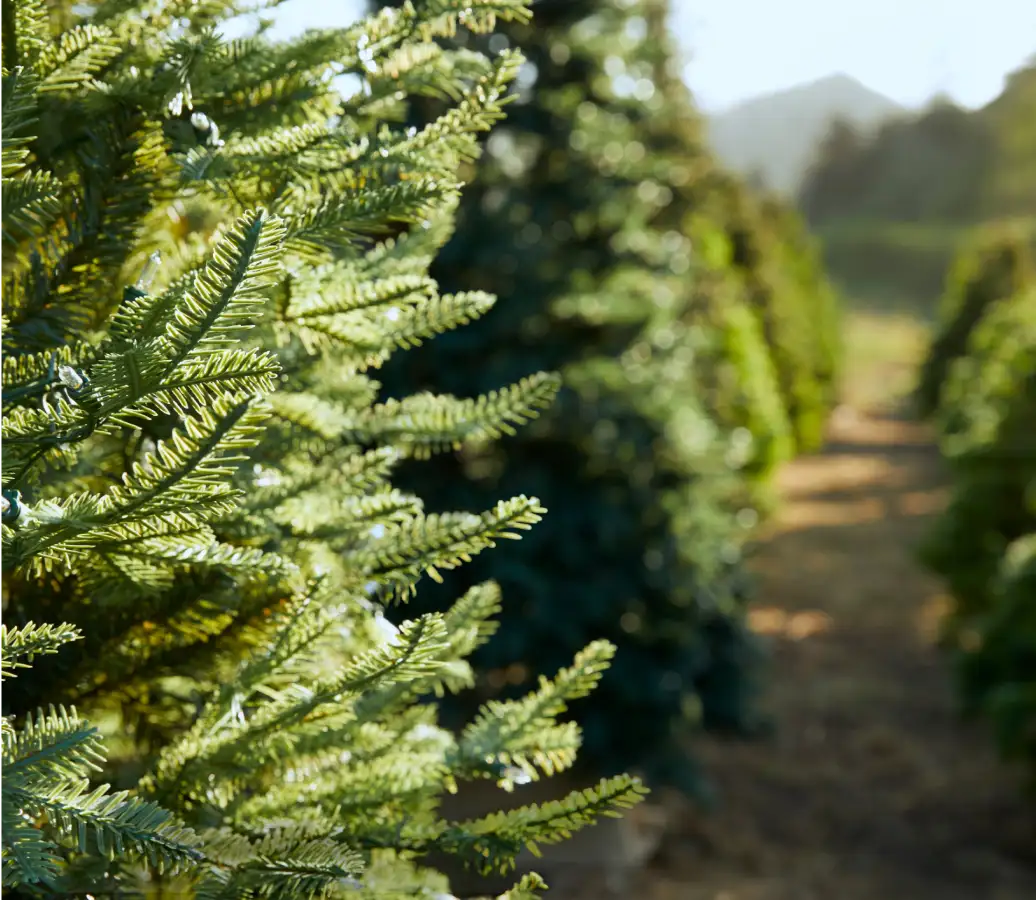
NextGen
Recycling
We lead our industry in reusability and longevity, we’re piloting programs for artificial tree recycling and refurbishment, and we're working with GBCI to adopt zero-waste practices.
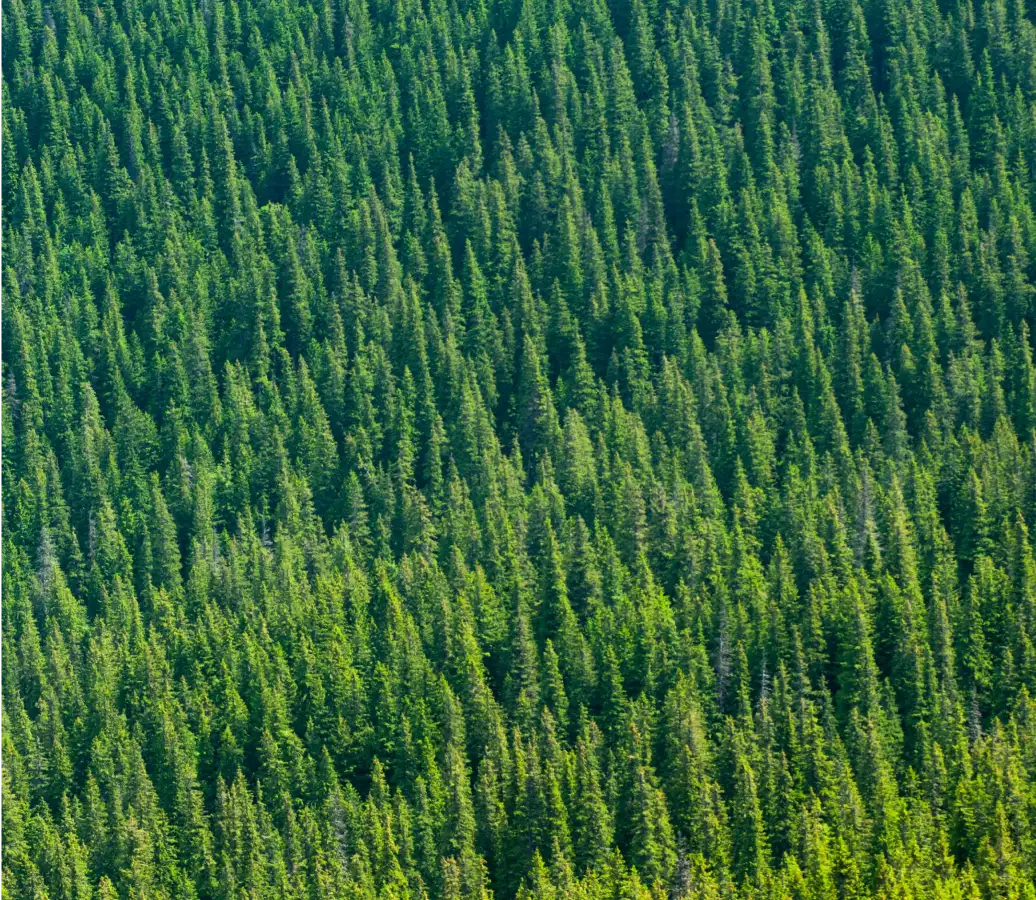
NextGen
Carbon
We commit to lowering the carbon footprint of every Balsam Hill® reusable tree over its lifetime and exploring the possibility of artificial tree recycling infrastructure.
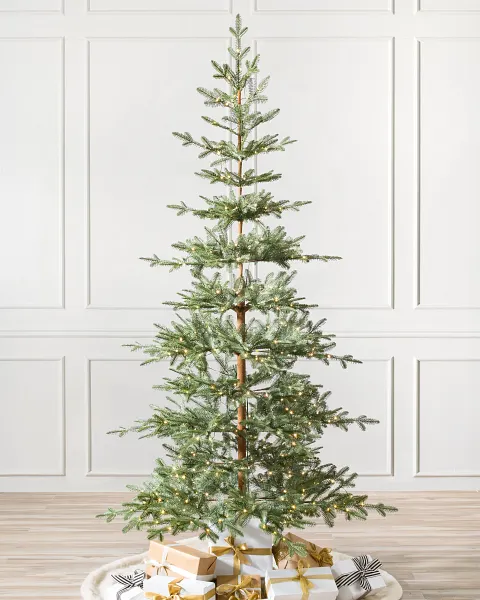
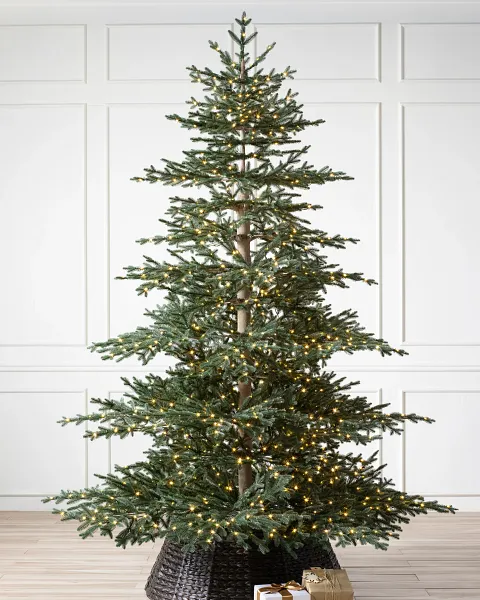
95% Plant-Based PE Needles
This slim, sparse tree’s sugarcane-based polyethylene True Needle® tips are made with 95% bio-based carbon content tested to meet C-14 standards.
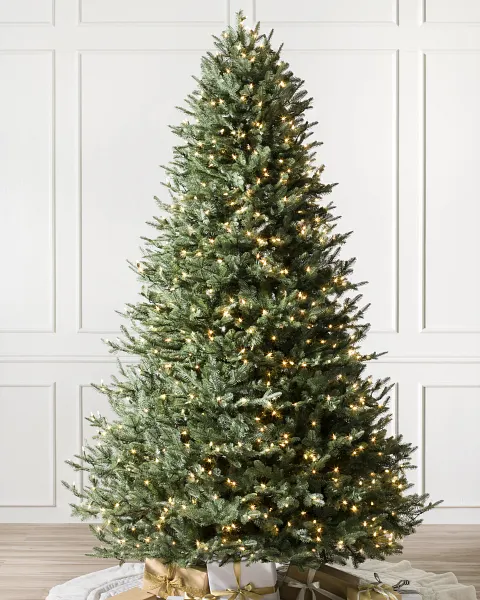
95% Plant-Based PE Needles
Beautifully crafted, this tree’s True Needle® tips are made with sugarcane-based polyethylene tested to meet C-14 standards for 95% bio-based content.
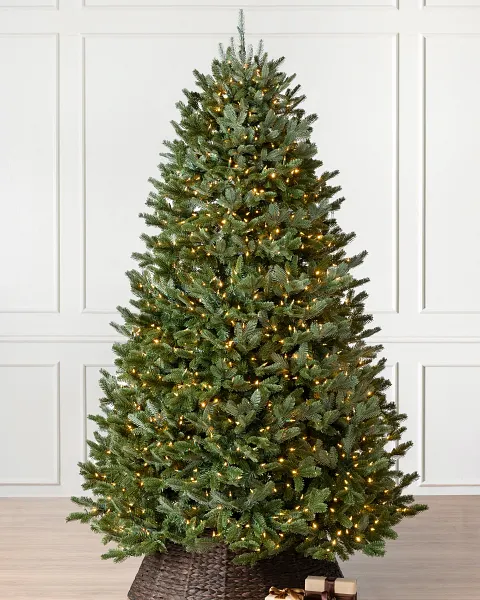
30% Recycled PE Needles
This tree’s True Needle® tips are crafted with 30% post-consumer, GRS-certified recycled polyethylene sourced from tear-away water bottle caps.
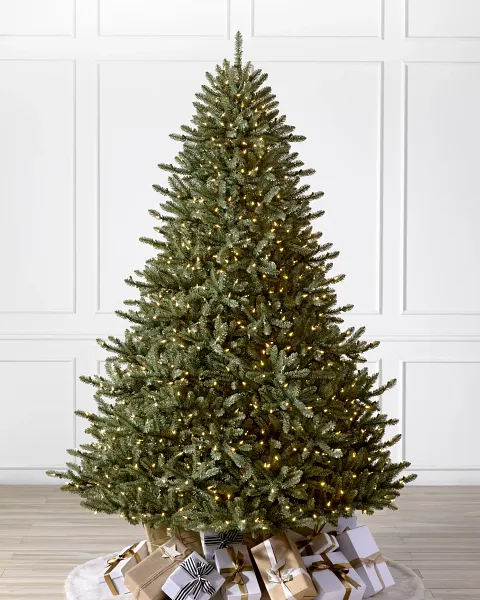
30% Recycled PE Needles
Crafted with 30% post-consumer, GRS-certified recycled polyethylene from tear-away water bottle caps, this tree’s True Needle® tips are modeled after Fraser firs.
100% Proprietary PET Needles
This tree is now made with 100% proprietary (PVC-free) polyethylene terephthalate (PET) Classic Needles in shades of green with silvery highlights.
NextGen Materials
We’re transitioning to more sustainable materials, like recycled and plant-based polyethylene (PE), proprietary PET, and recycled cardboard and steel.
95%Plant-Based Plastic
In 2025, we introduced plant-based plastic in select trees, using sugarcane-based polyethylene with C-14 certification for 95% bio-based carbon content.
100%Proprietary PET
In 2026, we introduced PVC-free proprietary polyethylene terephthalate (PET) Classic Needles for signature quality that’s soft to the touch. We plan to introduce recycled PET by 2028.
50%Recycled Cardboard
We ship our trees in heavy-duty, recyclable cardboard boxes made with a minimum of 50% recycled content, and we are pursuing Forest Stewardship Council (FSC) certification for this cardboard by 2027.
50%Recycled Plastic
In 2025, we transitioned to 30% GRS-certified recycled polyethylene True Needle® tips across our trees, and we aim to reach 50% by 2027.
50%Recycled Steel
In 2027, we plan to start a transition to a minimum of 50% RCS or GRS-certified recycled steel across our tree frames to lower our trees’ carbon footprint.
100%Recycled PET
We aim to transition our pine needles to 100% recycled polyethylene terephthalate (PET) by 2027, offering a more sustainable option for full-foliage trees.
NextGen Carbon
Longevity lowers the carbon footprint of an artificial tree. So, we’re designing trees to last, making them with more sustainable materials and pursuing circular recycling and refurbishment systems wherever possible.
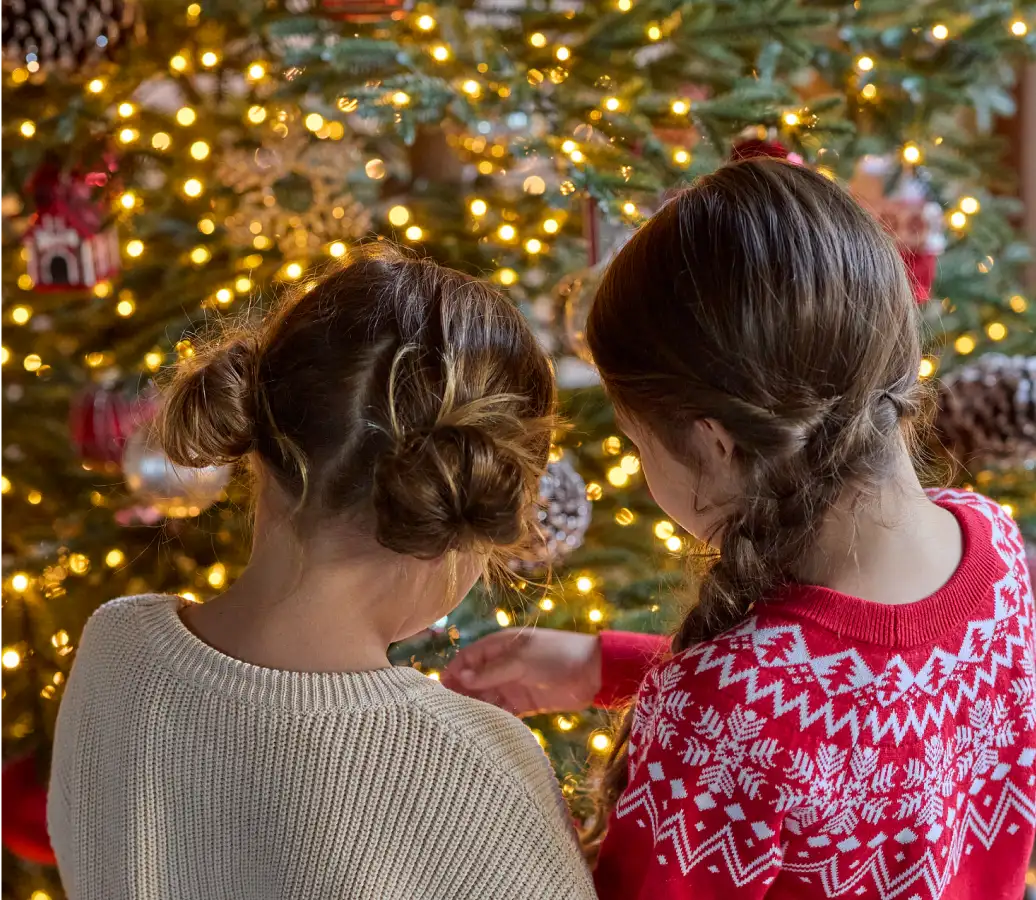
Carbon Intensity
We worked with WAP Sustainability Consulting to calculate the carbon footprint of our own trees. Compared to a mass-market artificial tree, the carbon intensity (kg CO2e/kg) of a reusable Balsam Hill tree is lower, making our trees more carbon efficient.
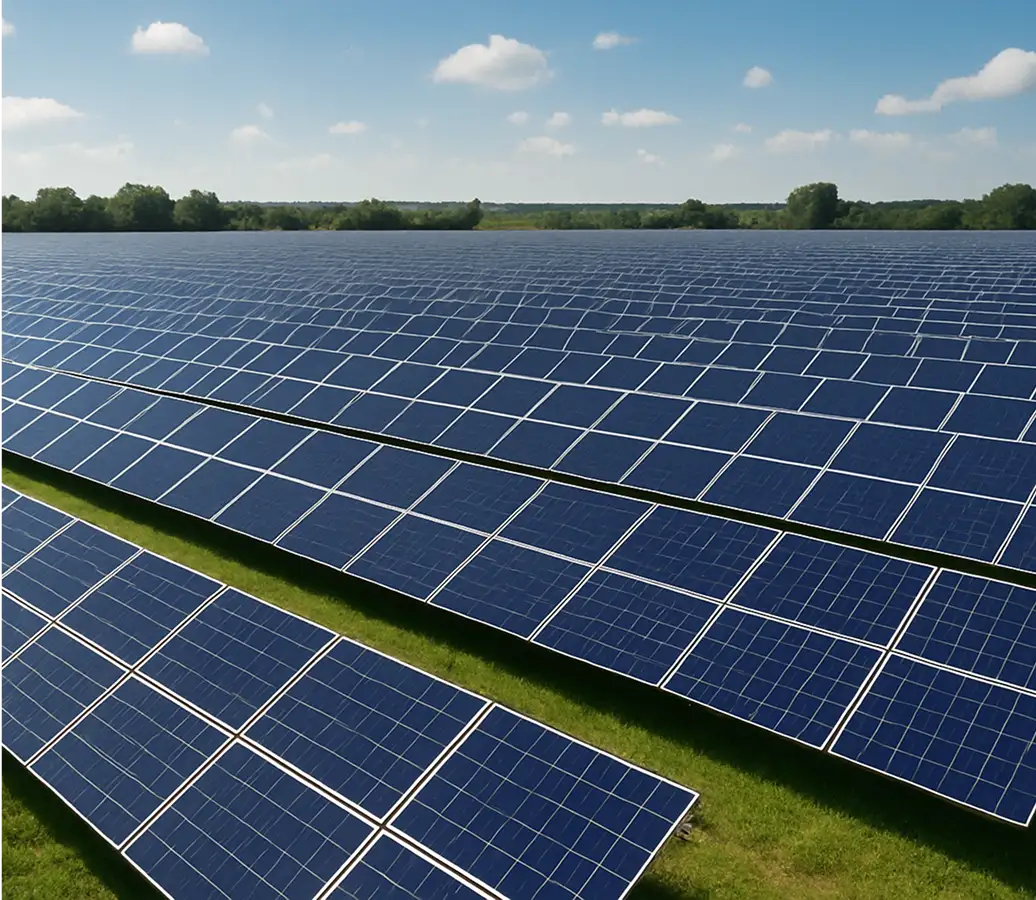
Science-Based Target
We’re exploring a Science-Based Target for emissions, establishing a clear roadmap to emissions reduction, and we’re verifying a decarbonization calculator for our trees. We're also looking for ways to increase renewable energy for factories and shipping.
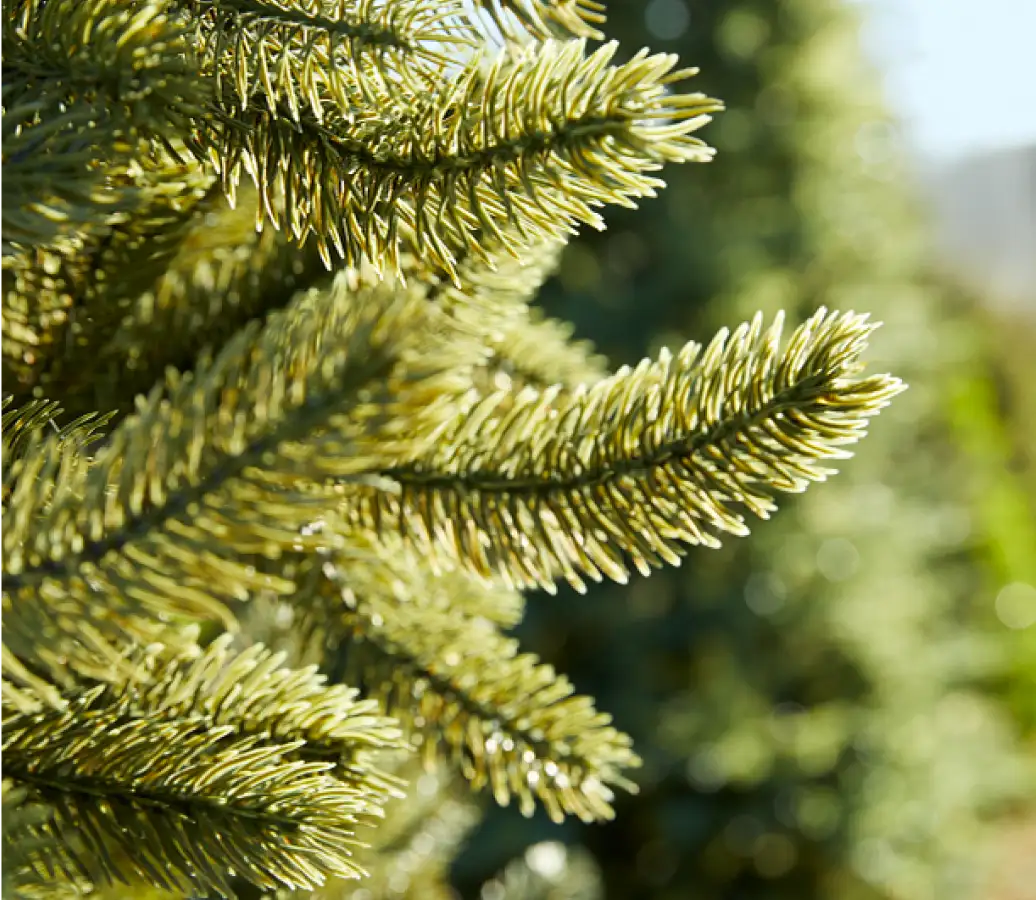
Industry Standards
We prioritize raw materials suppliers who are certified to the Global Recycled Standard for polyethylene or steel, and we ask for C-14 testing to confirm renewable content percentages in our bio-based polyethylene.
Stay Connected
For Expert Advice
Call 1.888.55.BALSAM, Text 1.650.855.8663, or Contact Us